Prototype progress
Making the prototype components
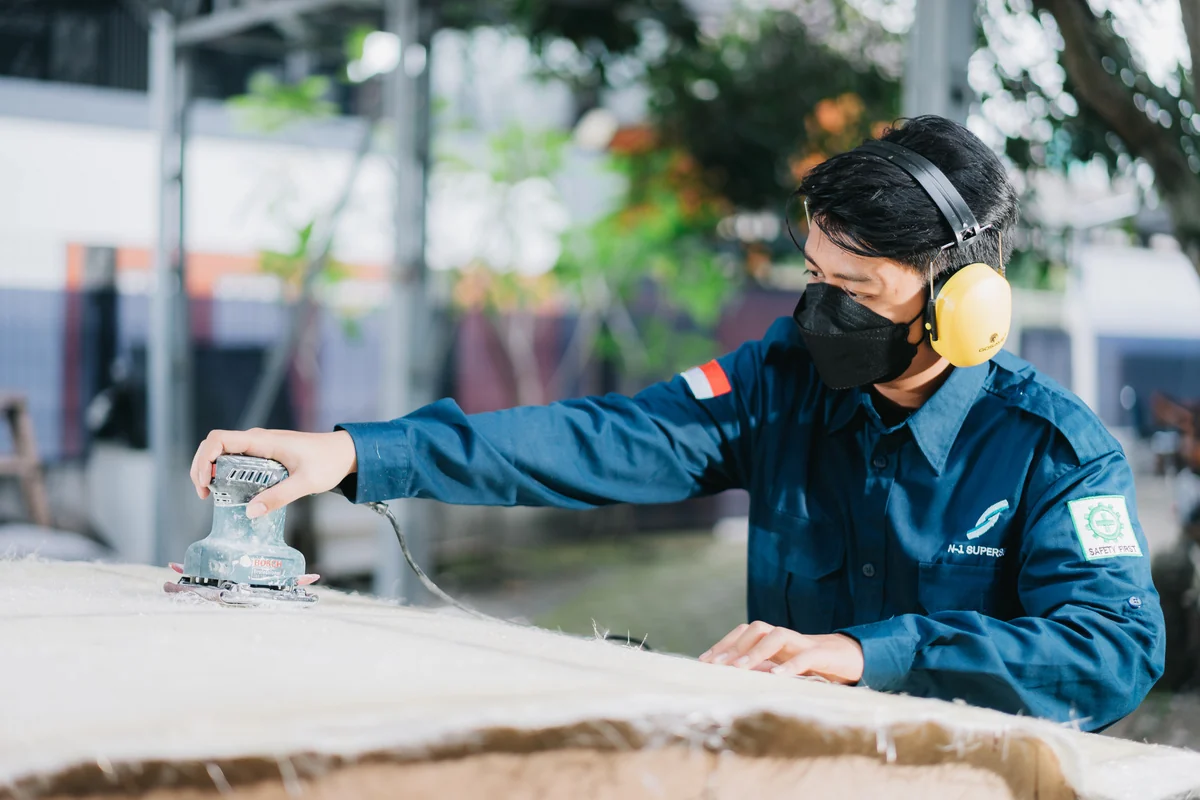
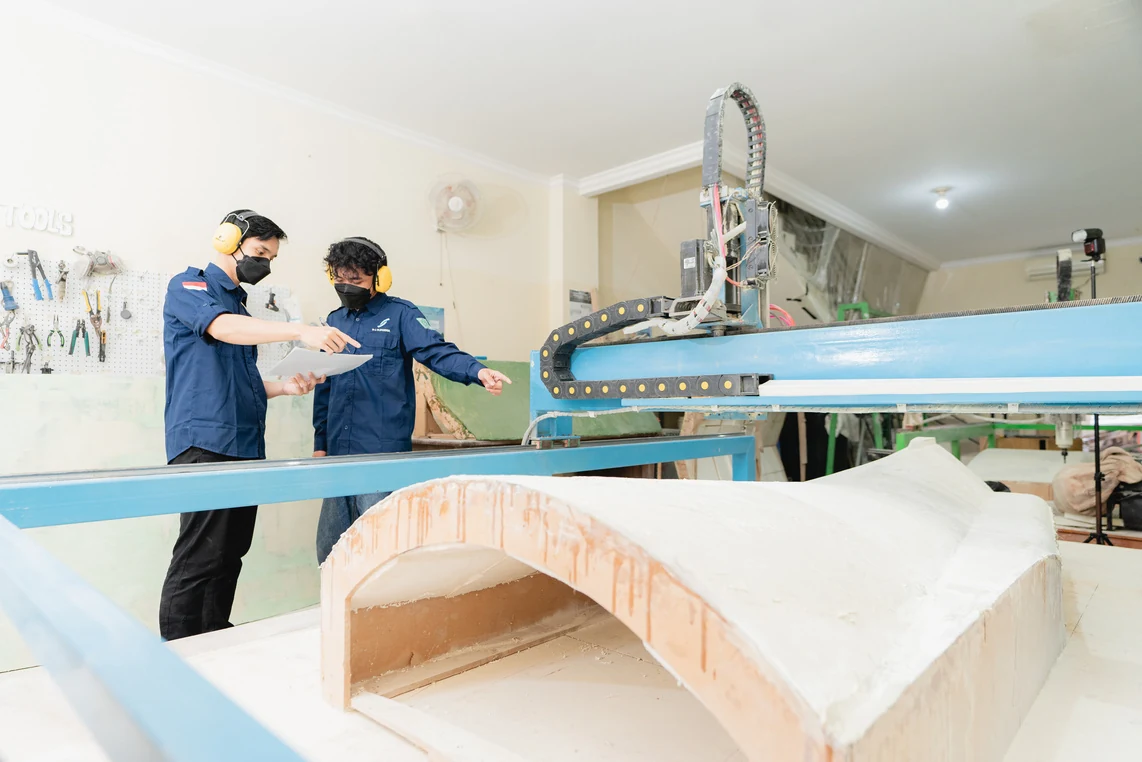
After shaping, the component is finished by hand. This photograph was taken during prototype work at the Sleman workshop.
Watch the takeoff simulation → N1 Supersea
ID
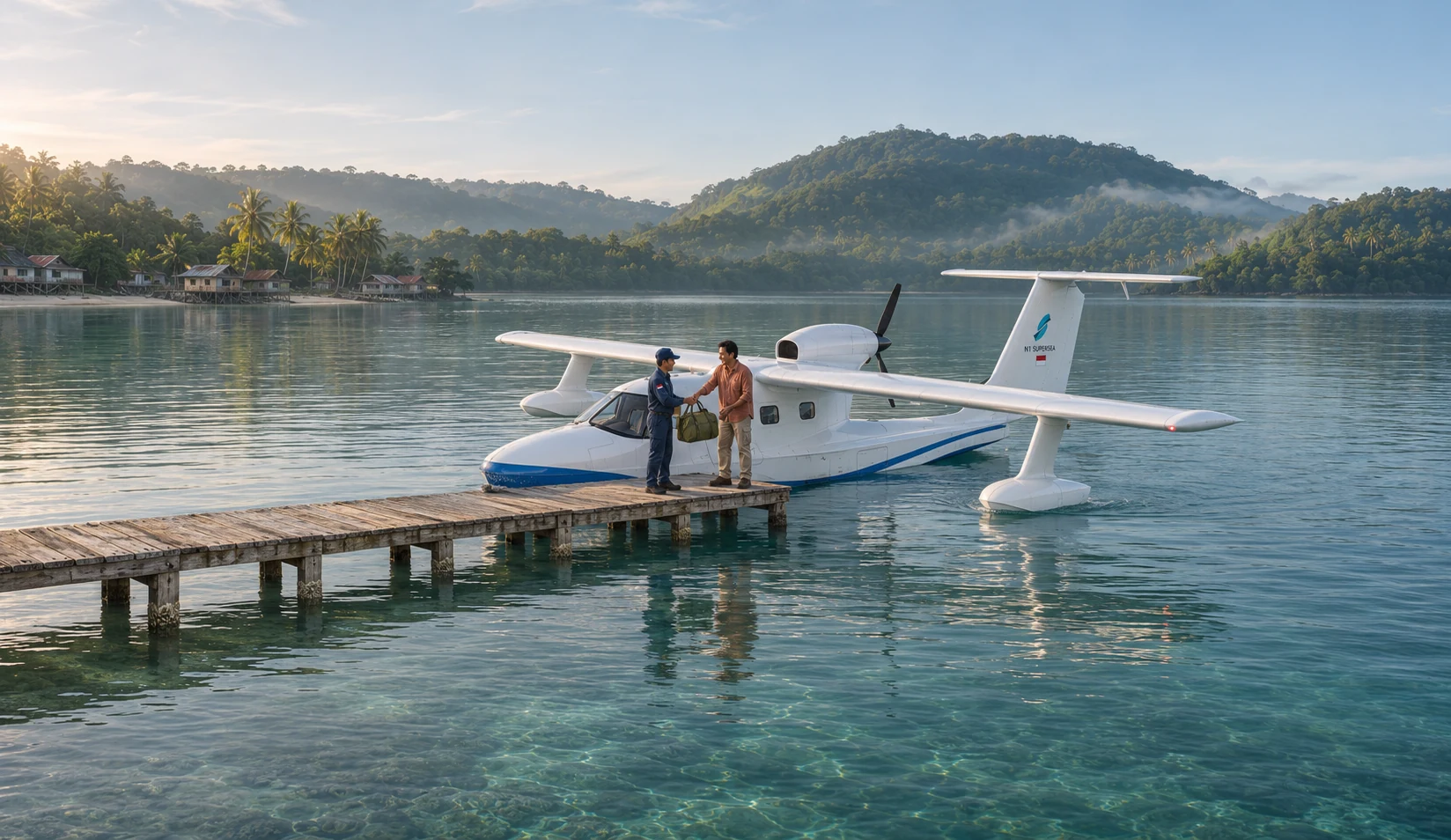
An Indonesian amphibious aircraft
Imagine leaving Baubau in the morning, visiting family in Wakatobi and coming home that afternoon.
Explore N1 SuperseaOur vision
For families on Indonesia’s smaller islands, going to work, visiting a clinic or seeing relatives can mean a long sea crossing. We want flight to be a practical choice for those everyday trips.

Around 70% of Indonesia’s territory is sea. An aircraft that can take off from water could let people start a journey to the next island close to home. Ministry source
Affordability has guided the design from the start. We also want to explore public subsidies that could cover the entire fare for passengers who need them.
Aircraft design
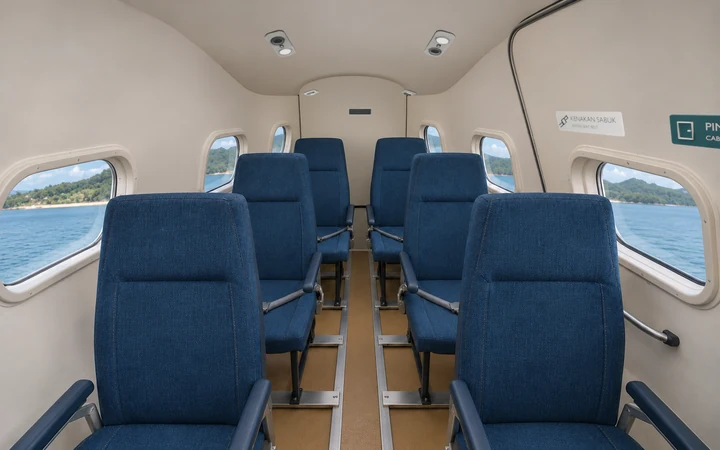
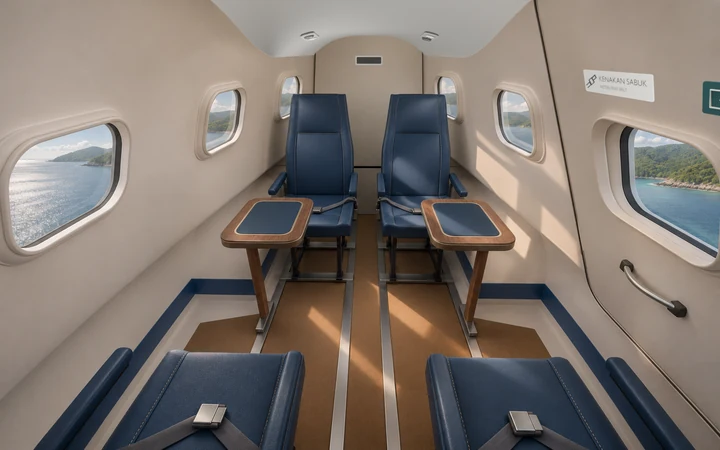
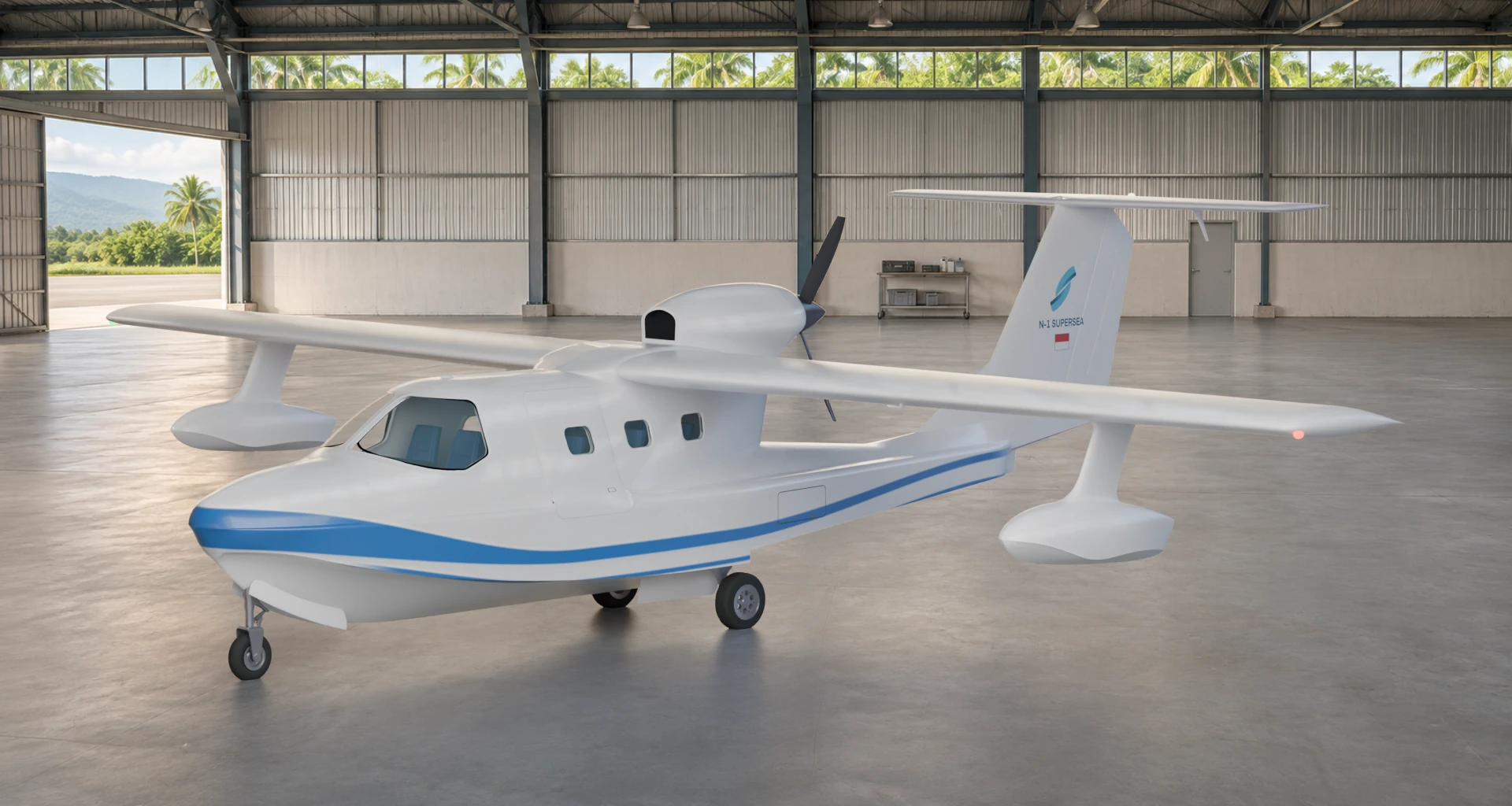
The N1 has a boat-shaped hull and a high wing with a small float on each side. Landing gear lets the same aircraft use a runway.
N1 Supersea route research · 2025
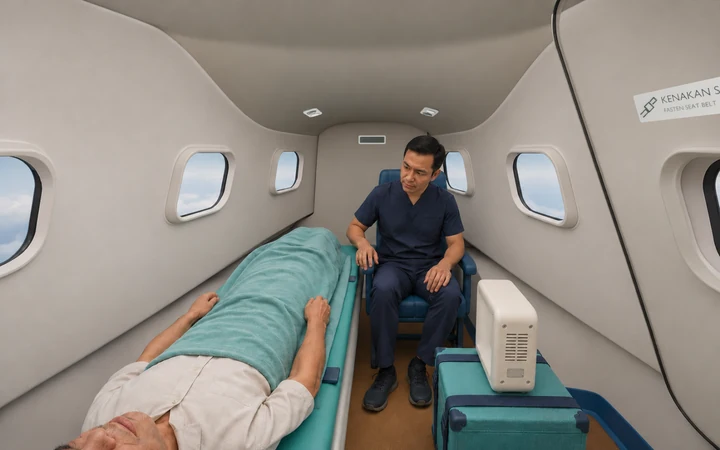
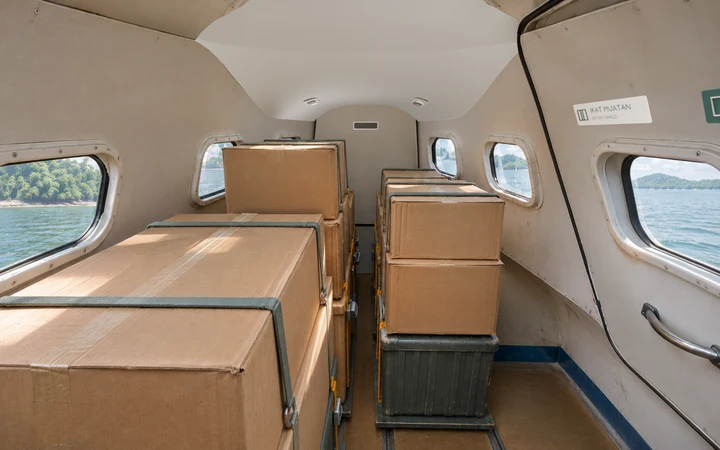
For Simeulue, the question is how quickly medicine can reach the island. For Wawonii it is the fare a ferry passenger can afford. For Kaledupa it is how divers and their equipment reach their lodgings.
Explore route studies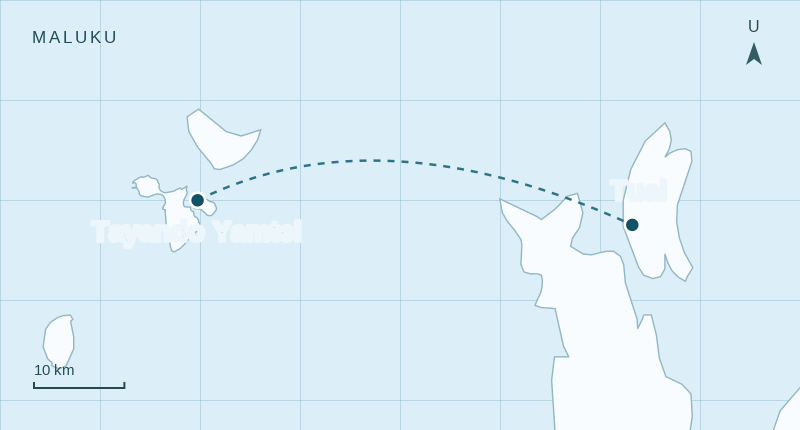
N1 Supersea began with the idea of a small aircraft that could leave from the water near a settlement and land on water or on a runway.
PT Solusi Teknologi Amayva was established. Initial funding gave the company a foundation for aircraft development.
The team came together to turn inter-island travel needs into a concept design for the N1 Supersea amphibious aircraft.
Work progressed into advanced and detailed design. The team developed engineering drawings for the aircraft components.
The team refined the aircraft design and began exploring funding for the next stage of development.
Prototype progress
After shaping, the component is finished by hand. This photograph was taken during prototype work at the Sleman workshop.
Watch the takeoff simulation →Company
PT Solusi Teknologi Amayva (PT STA) develops N1 Supersea in Sleman, from engineering drawings to prototype components.
Sleman, DI Yogyakarta
The workshop turns drawings into prototype components, from CNC-shaped foam to hand finishing at the bench.
Ruko Galaxy Kavling F, Jl. Ring Road Utara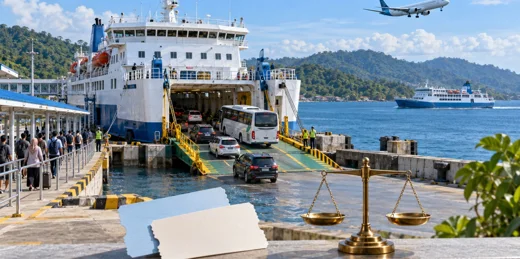
Menurut Menteri Perhubungan Dudy Purwagandhi, kajian mendalam telah diminta dari Badan Kebijakan Transportasi. Ia mengakui gagasan ini tidak lazim karena di sejumlah negara skema serupa tidak…
Sign up for design news and prototype updates.